Stop Wondering If It's Coincidence! How My Cat Kept Circling One Sound Led Me to the Frequency Cats Use to Calm Themselves

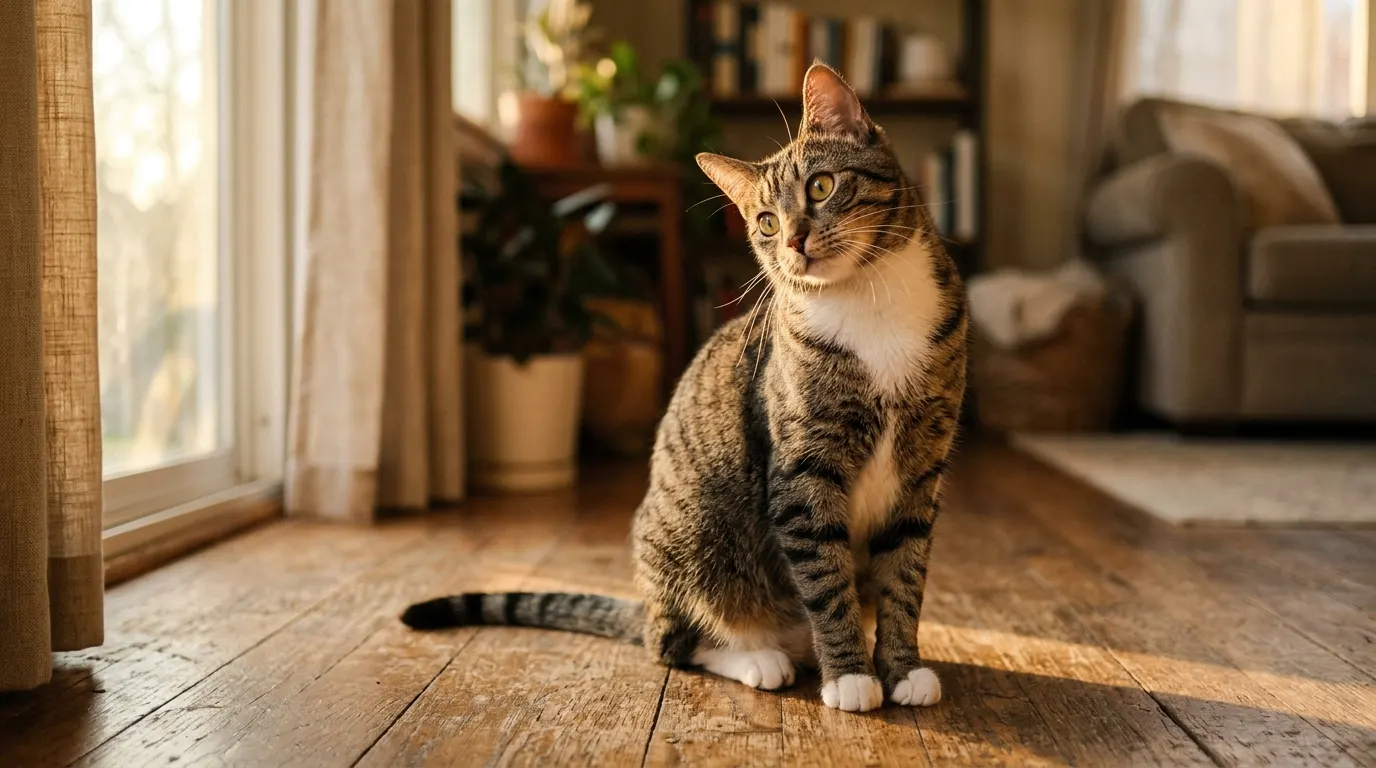


URGENT! If your cat keeps drifting toward one specific sound — a hum, a chime, a certain note — and you've written it off as coincidence, stop.
It isn't random. Cats are built to seek out one narrow band of frequency, and almost every sound in your home misses it completely. That's why nothing you've tried has settled them.
It started with a hum.
One evening, a low tone drifted through a living room — and the cat, usually aloof, stopped mid-step.
He didn't run. He didn't ignore it. He came toward it.
Sat down. Wrapped his tail around his paws. And then he slow-blinked at the source of the sound like it was an old friend he'd been waiting for.
The owner froze. Was that... a coincidence?
So they tried again the next night. Same tone. Same slow approach. Same settling.
This isn't a fluke—it's a pattern.
I know how that sounds. A cat "choosing" a frequency feels like the kind of thing wellness people say to sell you a crystal.
But this one had a paper trail…
The Quiet Static Bath your cat swims in every single day
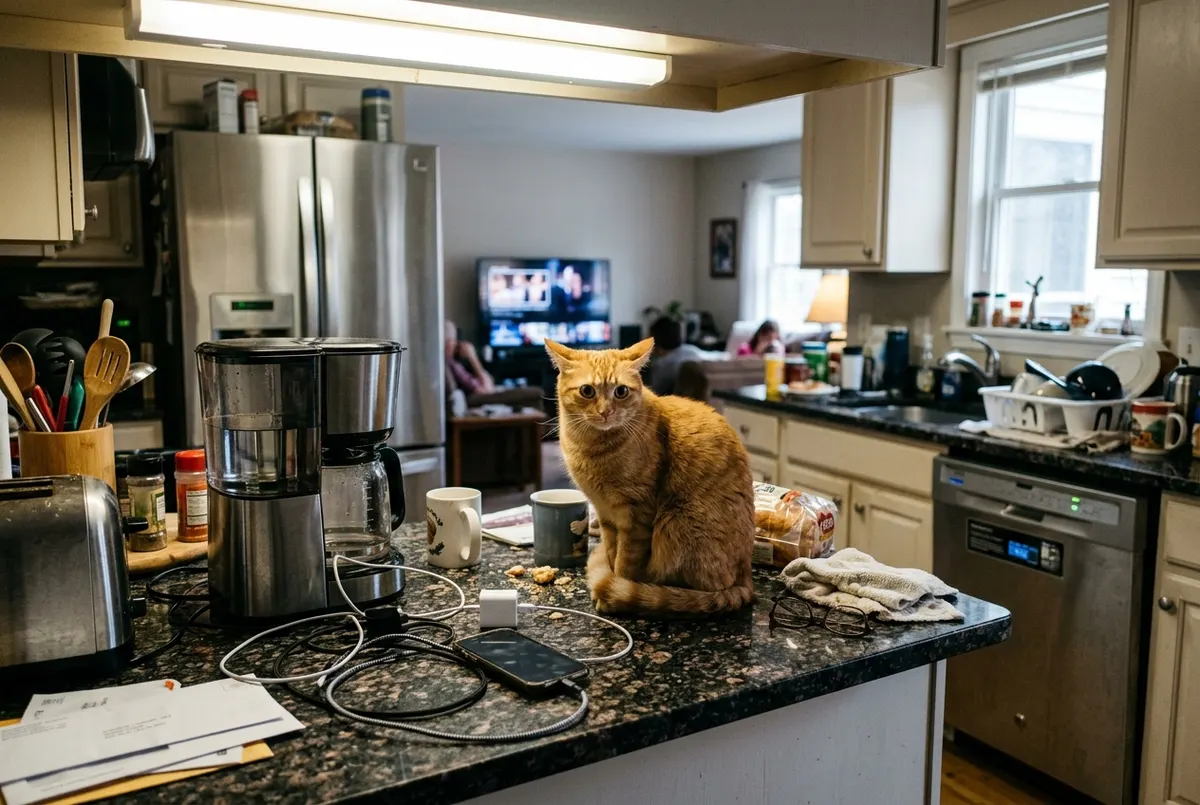
Here's what nobody tells new cat owners. Your home is loud in a way you can't hear.
The fridge hum. The TV hiss. The dishwasher. Traffic through the window.
To you it's background. To your cat, it's a Quiet Static Bath — a constant wash of the wrong frequencies, none of them shaped like anything a cat's body recognizes.
Your cat hears far more of it. Cats hear up to 85,000 Hz — nearly four times higher than the human ear can reach. The world you find peaceful is, to them, a cluttered channel with no signal in it.
That's why the usual fixes fall flat. The calming spray. The plug-in diffuser. The little fleece cave from the pet store.
You buy them hoping for the slow-blink, and instead you get a cat who tolerates the thing, then walks away.
Money spent. Cat unmoved. You, still guessing.
Ask yourself honestly: how many storm nights have you spent trailing an anxious cat from room to room, out of ideas? How many moves, vet trips, and new-baby weeks have you white-knuckled because nothing you own actually reaches them?
The frustrating part isn't that cats can't be soothed. It's that almost nothing in a normal home is tuned to the one frequency band they were born trusting.
It was never your cat being difficult — it was the wrong sound
This reframes your cat's "personality."
Your cat isn't aloof. Your cat is tuned. And most of what you've offered has been broadcasting on a channel their body was never built to answer.
Your cat's own purr + a very specific frequency. A cat purrs somewhere between 25 and 150 Hz. That's biology, not coincidence.
That band is the same range researchers link to muscle relaxation (your cat's muscles loosening) and bone support (strengthening of bone structure). When a cat purrs, they're literally self-soothing with sound. Their body already knows this frequency by heart.
Human sounds + a total mismatch. Music, TV, your voice, the appliances — almost none of it lives in that purr band. So when you play soft music hoping to calm your cat, you're speaking a language their nervous system doesn't recognize as safe.
A sound in the purr band + instant recognition. Play something built on their own frequency family, and something clicks. It isn't foreign. It's the sound their own chest makes when everything is okay.
That's the whole thing. Your cat kept circling one sound because, for once, the frequency matched. This is recognition, not coincidence.
"My own cat kept choosing one bowl" — the accidental discovery behind the Sacred Triad
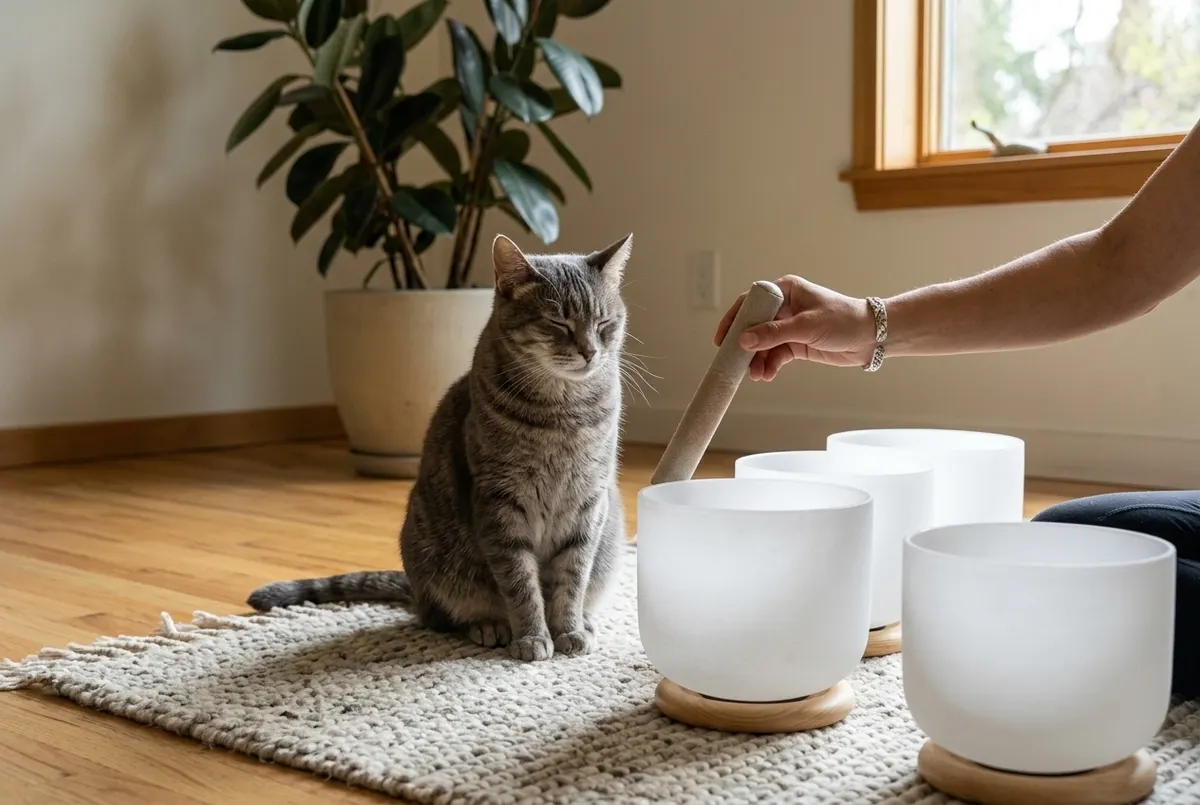
A sound practitioner. Not trying to make a cat product at all.
Then their own cat started showing up.
Every session, the cat would pad in and settle beside one particular bowl. Same bowl. Every time. At first it read as coincidence — cats do strange things.
But the pattern held long enough to become a question. Why that one?
So they went looking. Not into wellness blogs. Into the actual research.
Feline hearing ranges. Purr-frequency studies. The bioacoustics of how cats self-soothe. And a 2015 study that found something striking: cats prefer sounds built on their own vocal frequencies over human music.
The favored bowl wasn't magic. Its fundamental note simply sat inside the purr band. The cat had been choosing the frequency, not the object.
Diffusers. Sprays. Playlists. Pheromone collars. Other owners cycled through all of it and still ended up guessing.
Meanwhile the answer had been humming in the corner of their own studio.
So they tuned a set deliberately—three bowls designed with feline research first, aesthetics second. The mission was simple: give owners the sound their cats were already reaching for.
Meet Sacred Triad: three bowls tuned to the frequency your cat already trusts
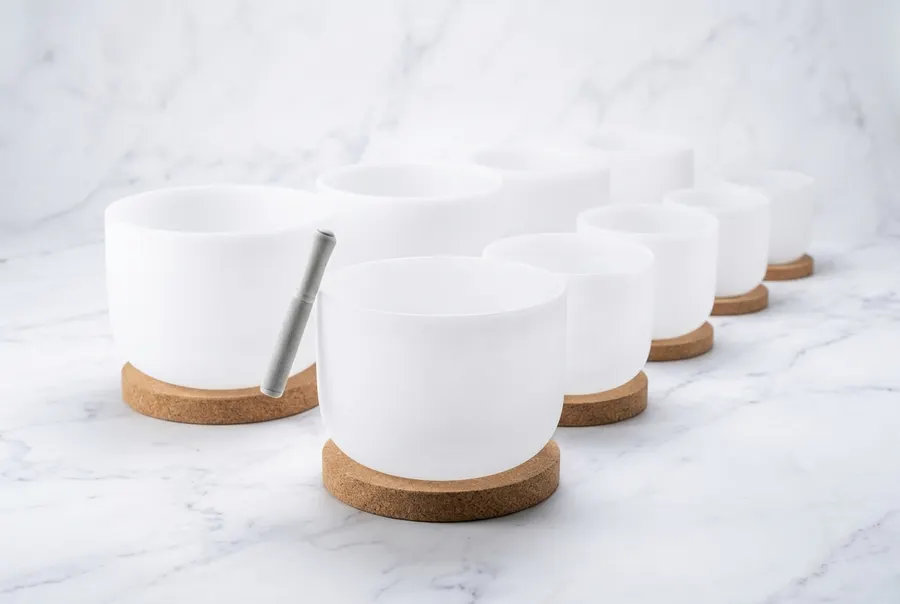
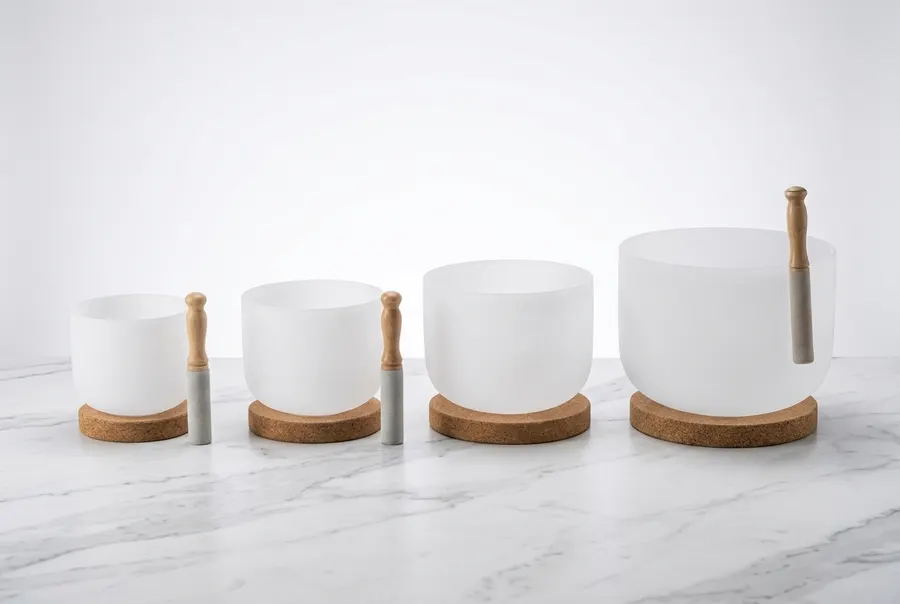
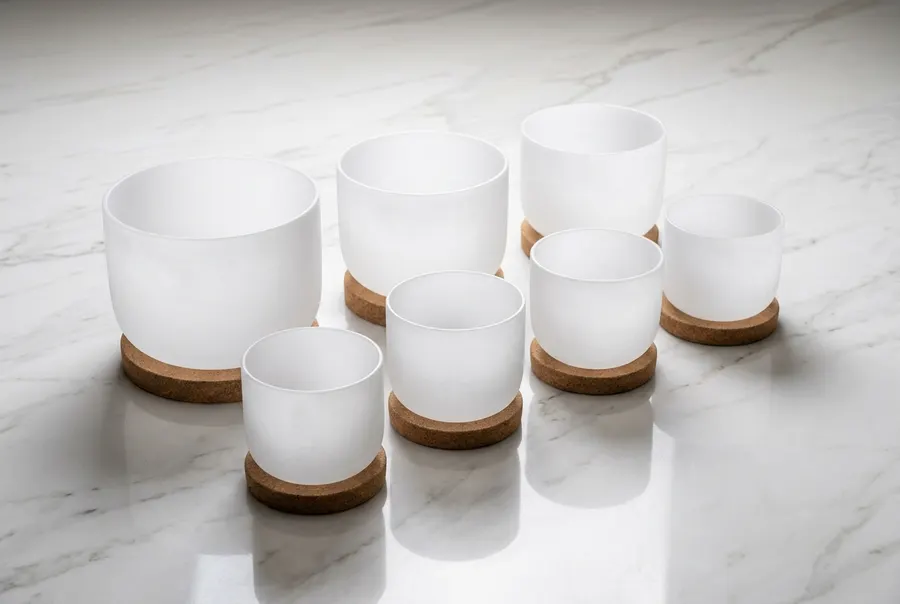
Three quartz bowls, tuned to one idea: play your cat the frequency family their own body uses to feel safe.
The whole set is tuned to 432 Hz, with fundamentals landing inside the purr band.
One bowl's fundamental sits at 136 Hz — deep inside the 25–150 Hz range a cat purrs in — so when it sounds, your cat isn't hearing something foreign. They're hearing home.
The C# quartz bowl reaches down into the low end of the purr range, near the frequencies researchers associate with muscle relaxation and bone support. This is the note that tends to draw a cat in and hold them.
"But it's just an expensive bowl." That's the fair objection — and it's exactly why this is a three-bowl set, not a single chime. One frequency is a guess. A tuned triad covers the band your cat actually responds to.
Every note here starts from feline research, not human wellness trends.
You don't play it at your cat. You sound a bowl, set it down, and leave them an exit. If the frequency is theirs, they come to it. That's the whole ritual — and the moment you've been waiting for is them choosing to come.
Owners stop guessing. They watch their cat walk toward the sound on purpose.
Cats purr between 25 and 150 Hz — the same band the C# bowl is built on.
Frequencies of 20–50 Hz are studied for their association with muscle relaxation and bone support — and the set reaches into that range.
These aren't wellness slogans. They're the same frequency ranges studied for how cats self-soothe, laid into a tool your cat can actually approach on its own terms.
Your only risk is another storm night spent guessing
Ask yourself honestly:
Are you going to spend one more anxious evening trailing your cat from room to room, throwing toys at a problem that was never about toys? ❌
Are you going to buy the next plug-in diffuser, the next calming treat, the next gadget that your cat sniffs once and abandons? ❌
Are you going to keep telling yourself the slow-blink beside that one sound was probably just coincidence? ❌
Are you going to let another move, another vet trip, another new-arrival week arrive with nothing in your toolkit but hope? ❌
Or are you ready to hand your cat the one frequency their own body already knows — and finally watch them choose to come to you?
Nothing to learn. You sound the bowl. You set it down. You leave them room to approach. The cat does the rest.
You've got a full season to try the Sacred Triad on us
Here's how sure the team is that your cat will recognize this sound: you get to test it, on us, before you're committed to anything.
Bring the bowls home. Sound them during grooming hour, during a thunderstorm, during the chaotic week of a move. Watch what your cat does when the frequency finally matches.
If your cat never approaches — if the slow-blink never comes, if it just gathers dust — you're covered. Real people stand behind this, not a faceless returns portal.
So picture it two months from now. Either you're the owner still guessing in the dark on the next storm night… or you're the one sitting quietly beside a cat who chose to come, tail wrapped, eyes half-closed.
One of those two futures is waiting. The bowls just decide which.
What a calmer cat actually costs per day
Do the honest math.
Think about what you've already spent chasing this. The diffusers. The treats. The toys.
Add it up — real money, never once earning you the slow-blink.
The Sacred Triad is a one-time thing that doesn't run out, doesn't plug in, doesn't need refills. Spread across the years these quartz bowls last, it comes out to pennies a day for a sound your cat will keep choosing.
And here's the part worth saying plainly: this isn't a mass-produced gadget. Each set is tuned by hand, which means quantities are limited by how many can actually be made. When a batch is claimed, it's claimed.
The current pricing was set to get these into the hands of curious owners like you — the ones who noticed their cat circling a sound and wanted to know if it was real. That kind of pricing doesn't hold forever.
So say YES to finding out. Two months from now you'll either still be wondering if it was coincidence — or you'll already know, because your cat will have shown you.
The frequency your cat has been reaching for is one decision away.
UPDATE: Hand-tuned sets keep going in and out of stock.
Batches sell through faster than they can be made. If you're seeing it available right now, click the button above and secure yours before this batch is gone. Pricing could change with the next run.
Guaranteed